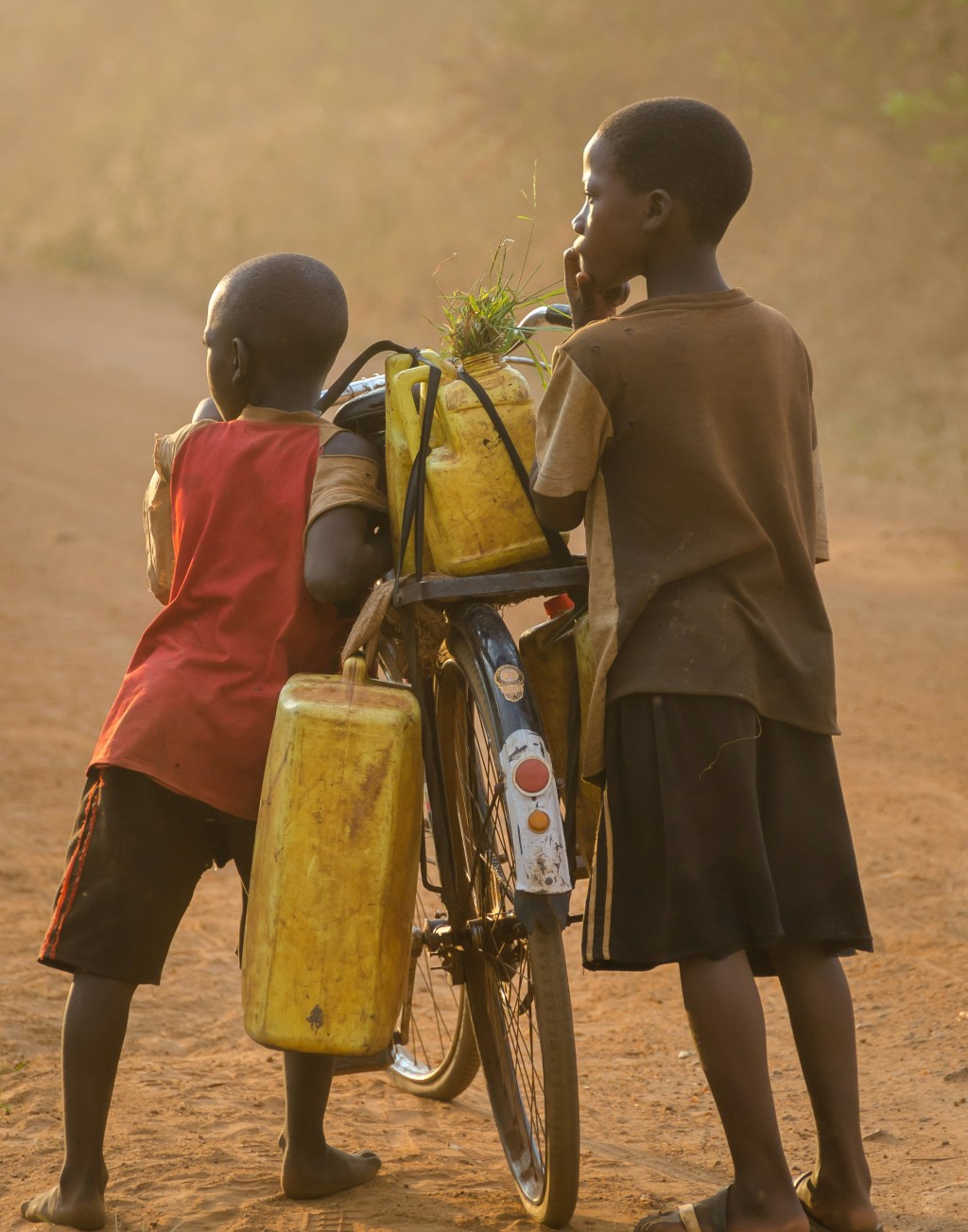
Water wells, or boreholes, are piped water systems that can improve the access to safe water in Sudan by transporting water to homes and clinics, reducing waterborne diseases, and decreasing the amount of time women and children spend walking long distances. The majority of Sudanese living in poorer rural areas struggle to find clean water on a daily basis.
“Each well pumps about 1,800 gallons per day and serves approximately 500 to 1,000 people,” according to Water for South Sudan. “The impact of these wells is significant. Villages get clean, fresh water for cooking, cleaning, and washing, which greatly improves health and quality of life.”
Boreholes supply water that is uncontaminated and easy to obtain.The Nile River is one of the largest sources of water for the Sudanese. The river and regular rainwater cannot supply enough clean water for the surrounding area. Sudanese women have to walk for hours every day to collect water from a stagnant water source. The rural villages in Sudan are stricken by poverty and lack the means to install a water system.
“‘They left early in the morning and returned late,’ Ahmed recalled. ‘All that effort—for just two containers of water. And it was never enough,’ UNICEF said. “Long walks, heavy containers, and long queues became part of daily life.”
The water available to the Sudanese contains many different forms of bacteria and parasites that cause life threatening diseases. Those drinking the water are at risk of contracting cholera, typhoid, Guinea Worm disease (Dracunculiasis), hepatitis E, dysentery, and diarrheal illnesses. Thousands die every year as a result of contaminated water.
“The Sudanese are at high risks for contracting waterborne diseases,” The Water Project said. “In 2006 there were 476 deaths caused by diarrhoea in just five months, with Cholera-causing bacterium present in stool samples.”
The conflict in Sudan has lasted for over three years and has created a water crisis in the country. Global organizations are now installing boreholes in countries facing water insecurity. Recently, UNICEF has installed a solar-powered, motorized borehole in Sudan. A borehole pumps ground water that is clean and does not contain bacteria and parasites.
“The new water system now delivers clean, safe water daily to more than 12,000 people across 2,5000 households, serving one of the largest urban populations in the area,” UNICEF said.
The installation of more boreholes will continue to bring more uncontaminated water to villages full of thousands of people. The water wells will supply water to homes, schools, and clinics. The women will no longer have to walk all day to find water for their families. The water will provide a vital life sustaining resource allowing the Sudanese to grow and thrive.
 Brittany LeJeune
Leave a comment